Heat-resistant tape across the full thermal window — 130 °C spray masking through 300 °C reflow and wave soldering. Six constructions on polyimide (PI), polyester (PET), crepe masking paper, glass cloth and PTFE backings, each matched to the adhesive system and removal requirement of your process.
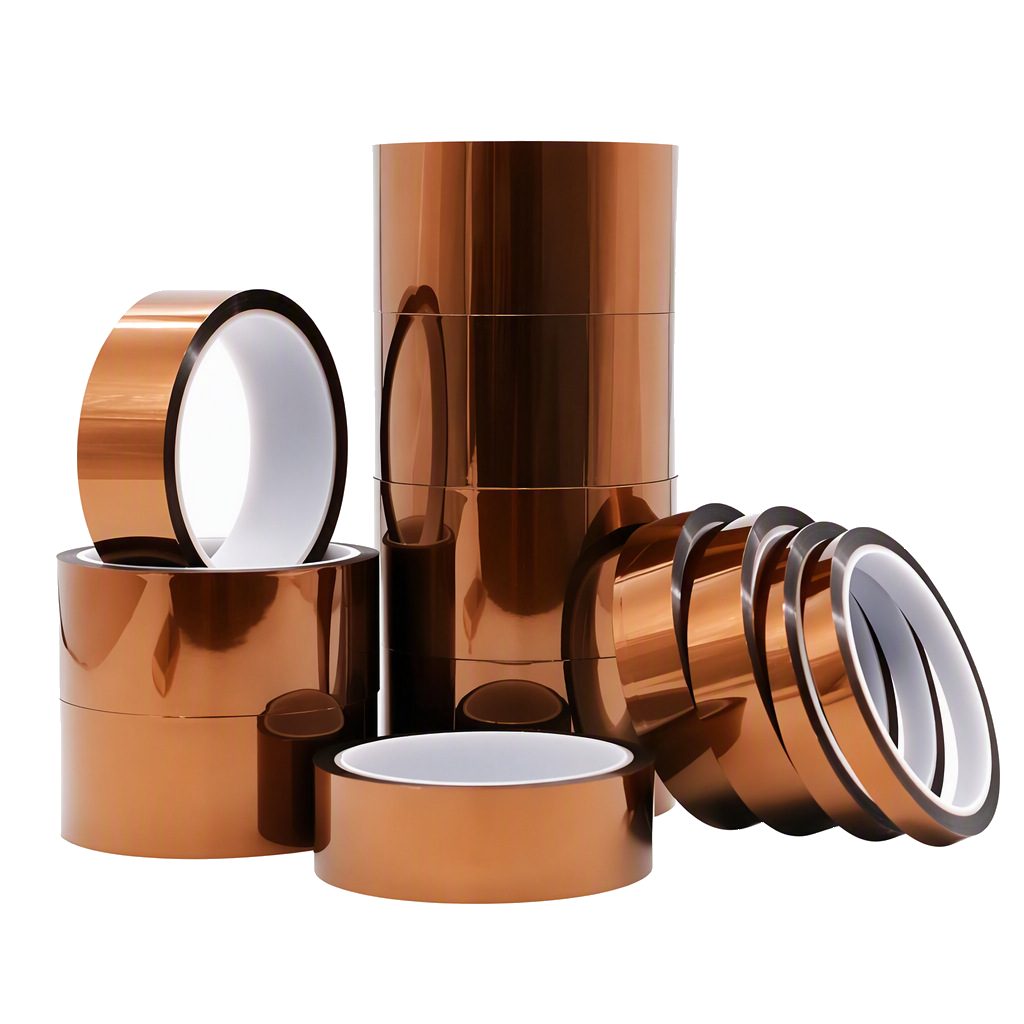
High-temperature tape is specified by two variables, and the second one is usually the one that fails. The backing sets the ceiling: polyimide and polyester films hold their dimensions, dielectric strength and mask-edge registration through the heat cycle; crepe masking paper conforms around curves and tears by hand; glass cloth carries mechanical strength and abrasion resistance; PTFE releases and resists chemicals. The adhesive system then decides how hot the finished tape can actually run and how it comes off.
Silicone adhesive is the standard choice for high-temperature work — stable to roughly 260 °C continuously and to 300 °C in short process peaks, releasing cleanly afterwards. Acrylic adhesive gives higher initial tack and better contact with non-silicone processes, but it degrades above about 175 °C, so it belongs in powder-coating and lower-temperature masking rather than in reflow. Production runs in-house at Songyang's Dongguan, China plant — compounding, coating, converting, slitting and QC across 16 production lines — so international buyers source high-temperature tape factory-direct instead of through a trading layer.
Masks gold fingers, edge connectors and SMD components through wave and reflow soldering cycles, then releases without rework.
Polyimide (PI) tapeCovers powder coating, spray painting and anodizing — sharp mask lines on flat panels, curves and irregular parts.
PET green · masking paperWinding insulation and harness bundling that survives continuous heat, tension and abrasion on the line.
Glass cloth tapeLines heat-sealing bars, packaging jaws and conveyor runs where sticky product must release every cycle.
PTFE tapeTemperature bands below are typical values by backing and adhesive system; the exact limit for your grade is confirmed in your quotation.
| Tape | Backing & adhesive | Temperature | Typical use |
|---|---|---|---|
| Polyimide (PI) tape | Polyimide film · silicone | 260–300 °C (500–572 °F) intermittent | PCB gold finger masking, reflow and wave soldering, splicing, coil insulation |
| Polyester (PET) green tape | Polyester film · silicone | 180–220 °C (356–428 °F) | Powder coating, spray painting, anodizing |
| High-temperature masking paper tape | Crepe paper · heat-resistant adhesive | 120–180 °C (248–356 °F) | Curved, irregular and fine-detail masking for paint and bake cycles |
| Glass cloth tape | Woven glass cloth · silicone | 200–280 °C (392–536 °F) by grade | Motor, transformer and coil winding insulation, harness bundling |
| PTFE tape | PTFE-coated glass fabric or PTFE film · silicone | 200–260 °C (392–500 °F) | Heat sealing, packaging jaws, release and non-stick conveying |
| Double-coated tape | Tissue, polyester, polyimide or glass cloth · silicone or acrylic | 80–300 °C (176–572 °F) by backing | Bonding, laminating and assembly where the joint has to survive heat |
Also known to overseas buyers as heat-resistant tape. Buyers sourcing polyimide tape from China often search it under the Kapton-type name; Songyang supplies the generic equivalent.
Six constructions cover the range. The notes below set out what each backing does, where its temperature limit comes from, and the processes it is normally bought for.
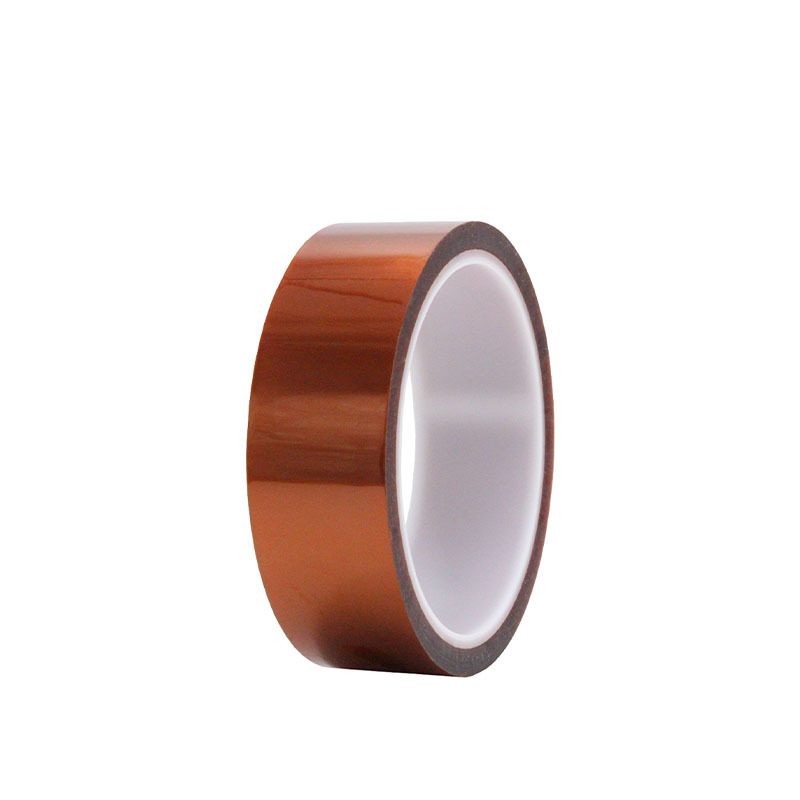
Amber polyimide film with a silicone adhesive system — the highest-temperature masking tape in the range, and the grade electronics buyers specify most often. On a PCB it is applied over gold fingers and edge connectors before wave or reflow soldering, holding the mask edge accurately through the solder cycle and releasing without leaving adhesive on the contacts. Outside electronics it is used for splicing on high-temperature production lines and for thin-wall insulation inside motors, transformers and battery assemblies.
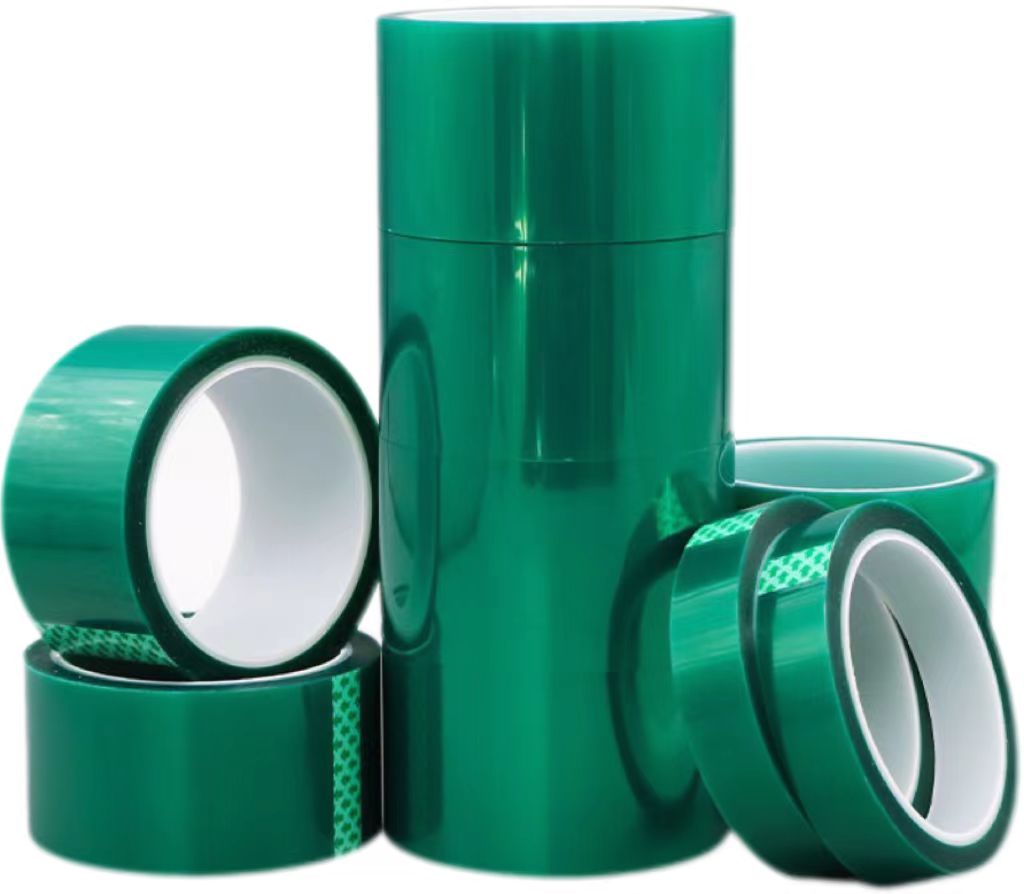
A polyester film backing with silicone adhesive, supplied in the green that makes masked areas easy to see on the line. It covers powder coating, spray painting, anodizing and bake cycles up to about 220 °C, where the tape has to hold a sharp edge on a flat or gently curved panel and then pull away without lifting the coating. Polyester keeps its dimensions through the cure, so mask lines stay registered and paint does not creep under the edge.
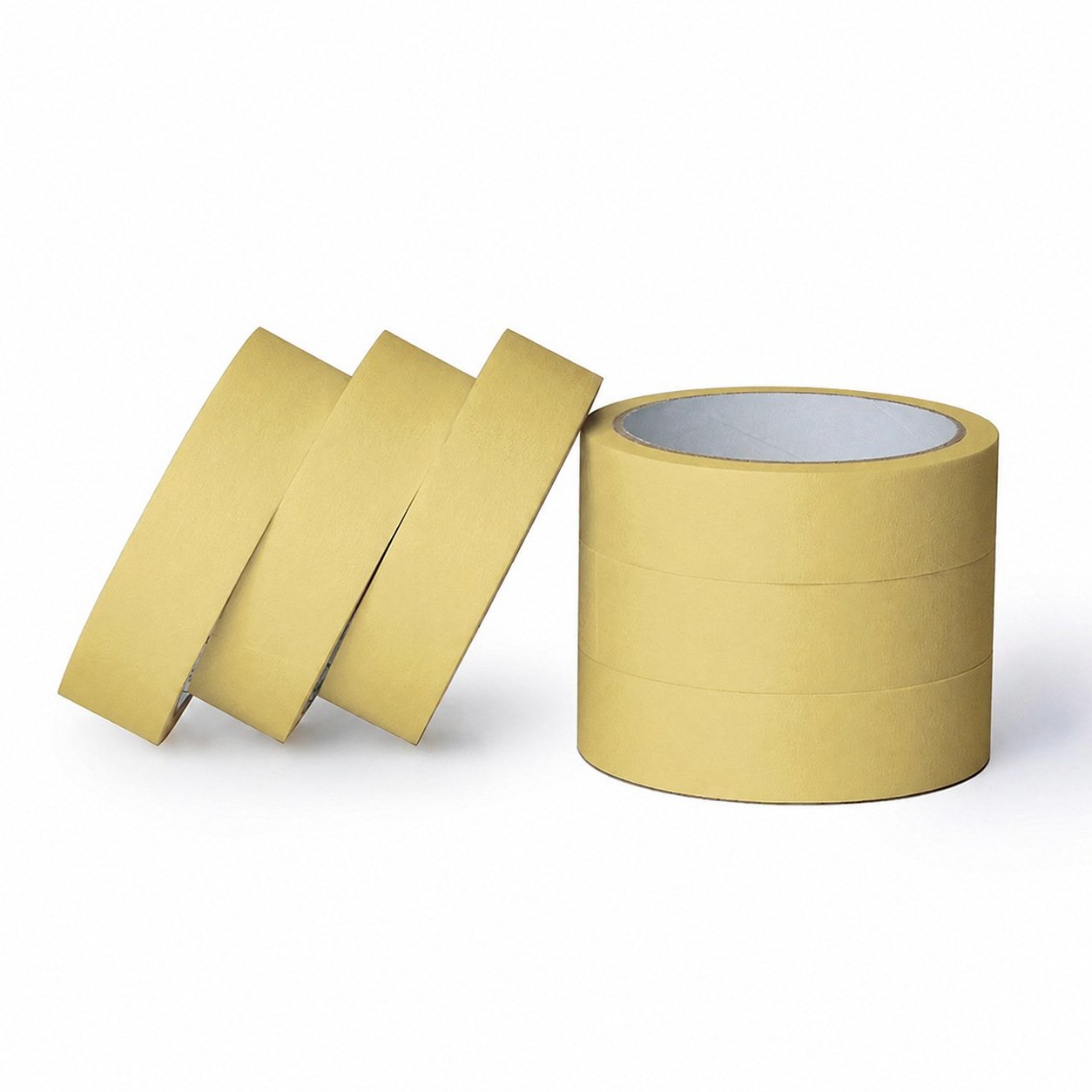
Crepe paper backing with a heat-resistant adhesive — the grade for the parts a film tape cannot follow. Paper conforms around bends, radii and irregular profiles, takes a fine mask line by hand and tears without a dispenser, which is why it stays the everyday consumable of paint and coating shops. It is supplied across a range of temperature grades so the paper is matched to the cure cycle rather than the other way round.
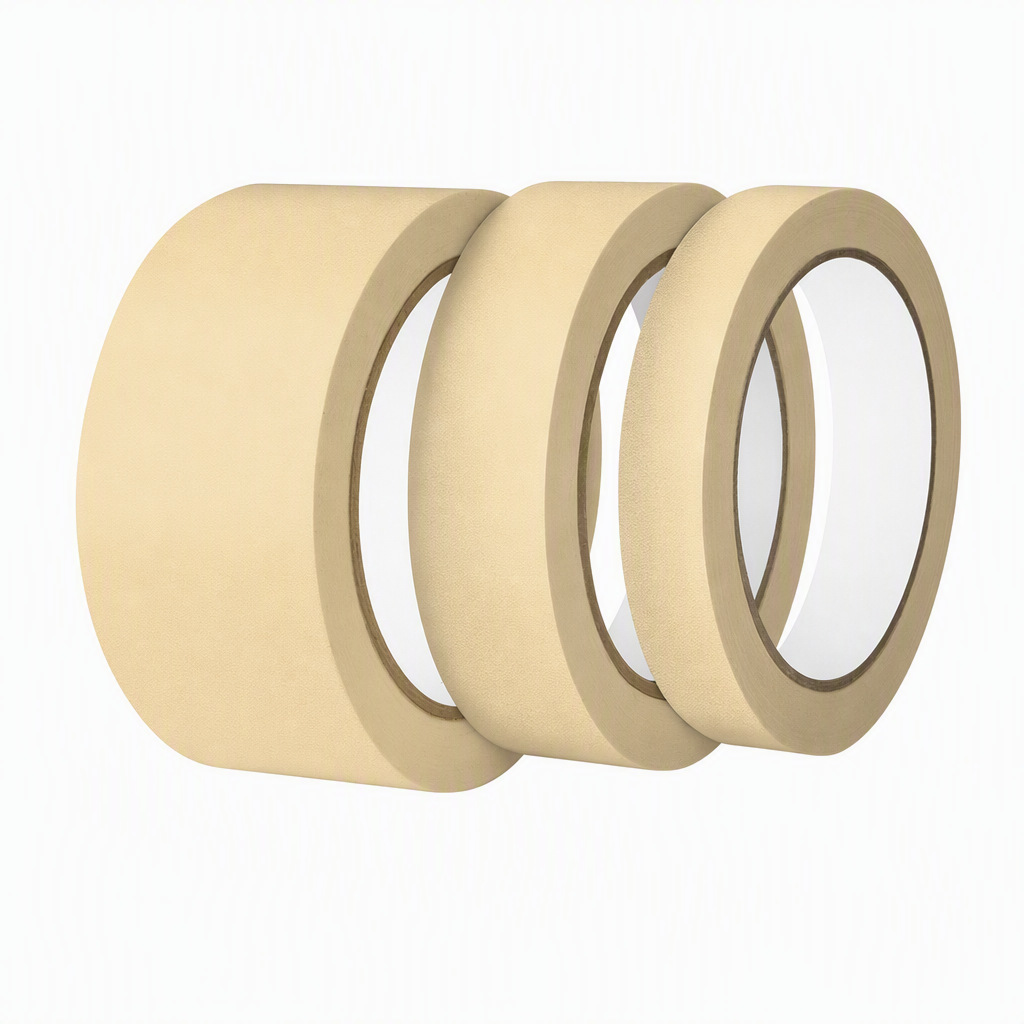
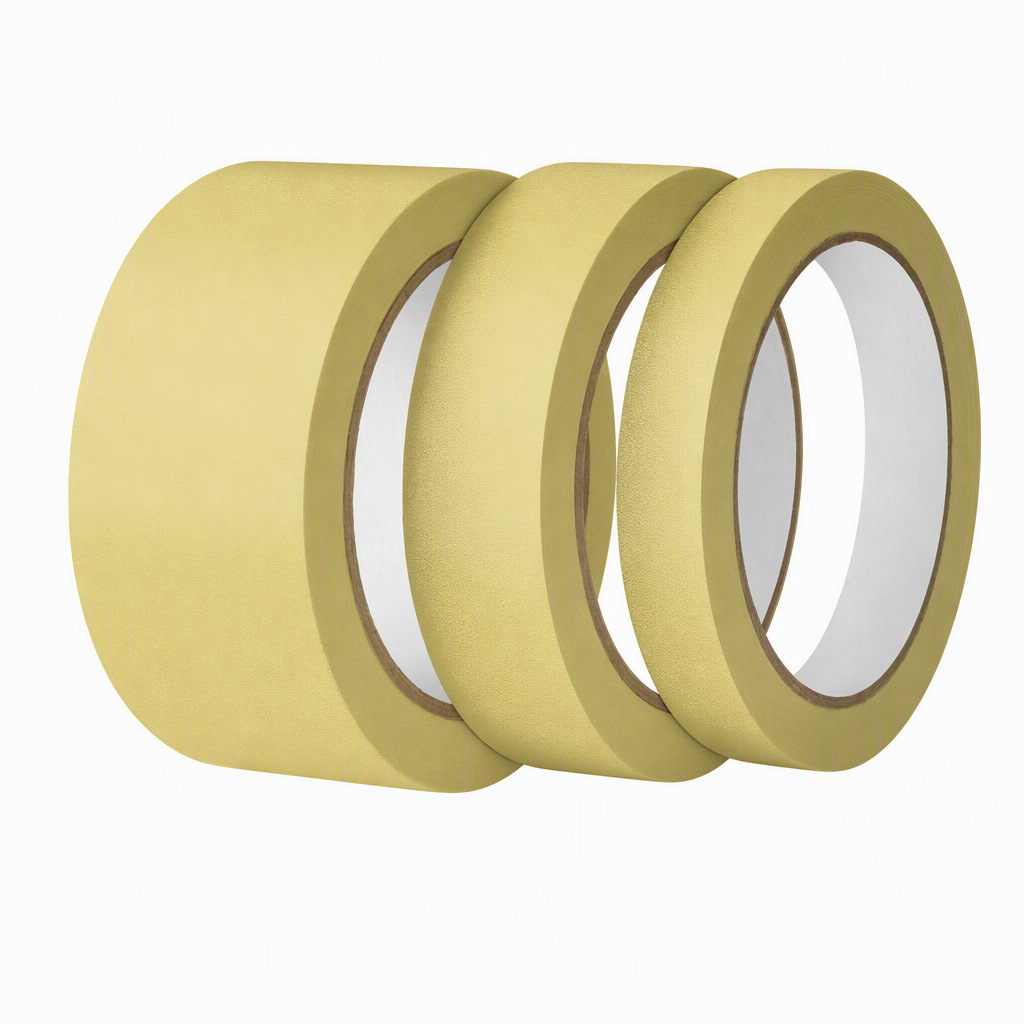
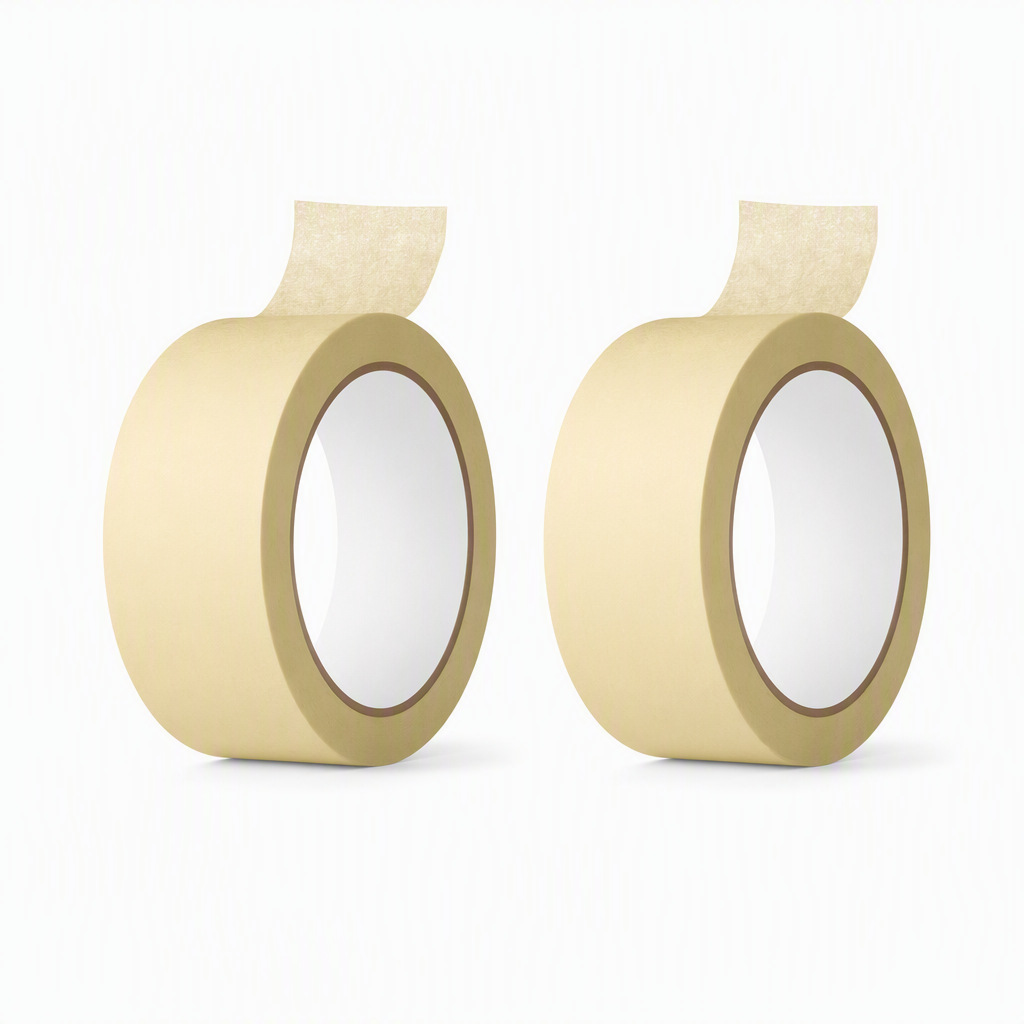
Color note: product color may differ slightly from the photographs — the physical sample is the reference.
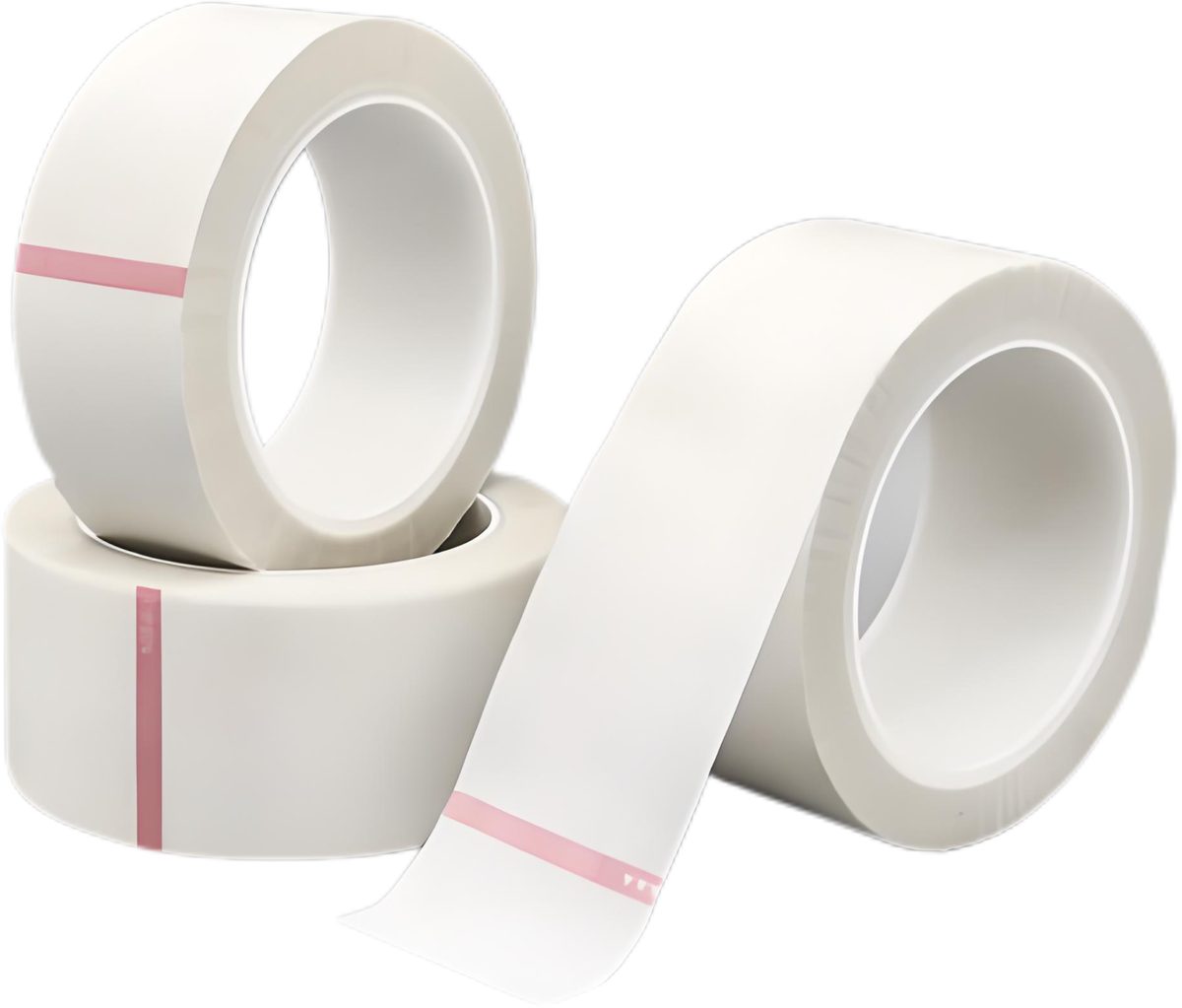
Woven glass fiber cloth with a silicone adhesive. The backing is what separates this grade from the films: glass cloth resists tearing and abrasion, takes mechanical stress under tension, and holds its dielectric performance at temperatures that would destroy a polymer film. That is why it is used for winding insulation on motors, transformers and generators, and for bundling harnesses and pipework that run hot.
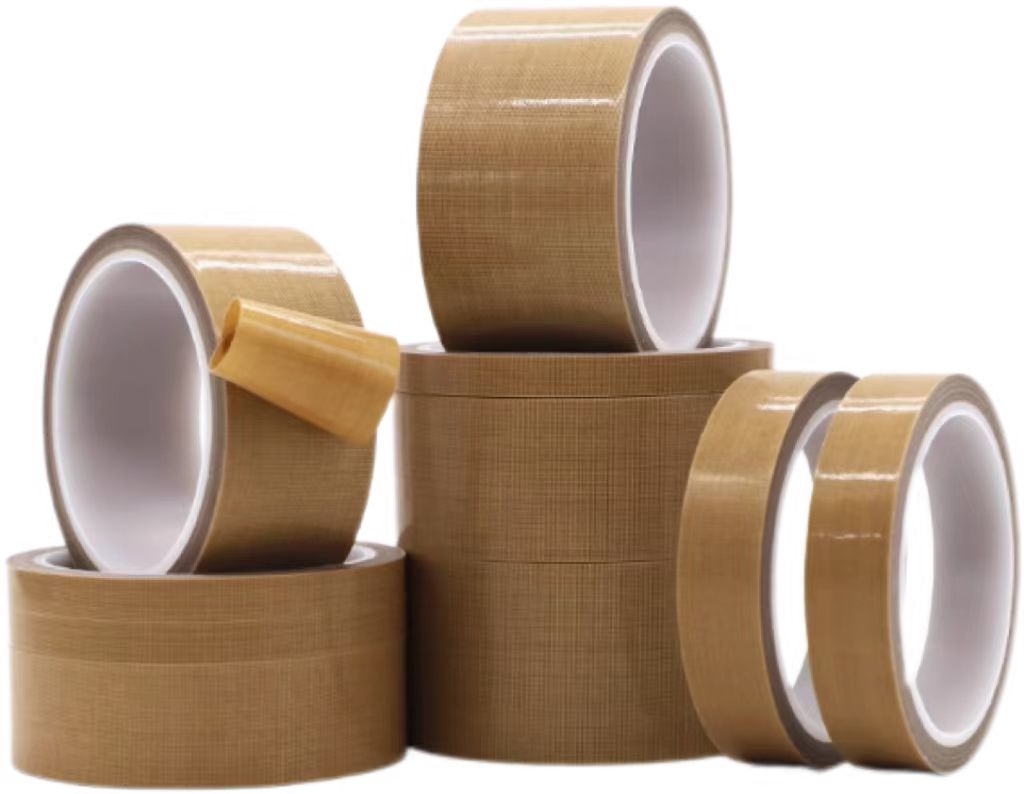
Two constructions sit under this heading. The PTFE-coated glass fabric tape is the form used on heat-sealing bars, packaging jaws and conveyor runs, where the tape has to release sticky product continuously; the PTFE film tape covers thinner release duties and chemical resistance. Both give a low-friction, non-stick surface that resists the solvents, resins and release agents which attack ordinary tape.
Where the job is holding two surfaces together rather than masking one, double-coated tape carries a heat-resistant adhesive on both faces. The backing decides how hot the joint can run: tissue for low-temperature fixing and easy die-cutting, polyester where dimensional stability matters, polyimide for bonding next to a soldering process, and glass cloth where the bond has to survive mechanical load as well as heat.
| Backing | Continuous | Short term | Properties |
|---|---|---|---|
| Tissue / non-woven | 80–120 °C (176–248 °F) | approx. 150 °C (302 °F) | Conformable, high initial tack, easy to die-cut |
| Polyester (PET) | 120–150 °C (248–302 °F) | approx. 180 °C (356 °F) | Dimensional stability, uniform thickness, translucent |
| Polyimide (PI) | 200–260 °C (392–500 °F) | Higher | High-temperature resistance, insulation, creep resistance |
| Glass cloth | 200–300 °C (392–572 °F) | Higher | High strength, tear resistance, heat resistance |
Backing selection for double-coated tape. Continuous and short-term ratings are typical values; the specification for your grade is confirmed in your quotation.
Amber polyimide film tape with silicone adhesive — the grade behind reflow soldering, production-line splicing and the masking of gold fingers and edge connectors on PCBs. Overseas buyers also search for this product as Kapton-type tape.
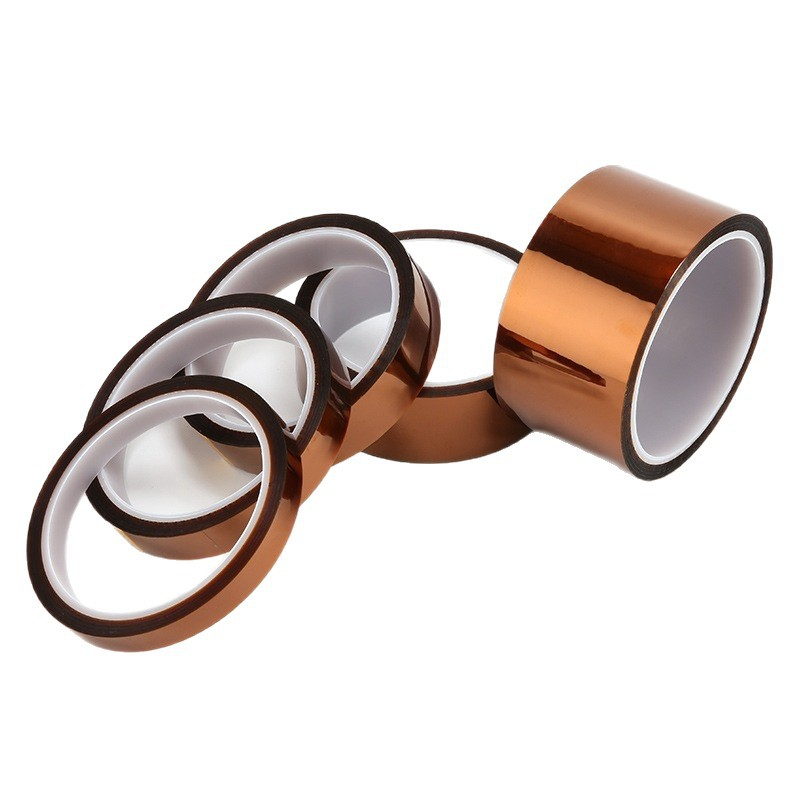
Masking gold fingers and edge connectors on PCBs before wave and reflow soldering, heat-resistant splicing on production lines, and thin-wall electrical insulation inside electronic assemblies. The silicone adhesive releases cleanly after the thermal cycle, so the masked area does not need rework.
In the Chinese market this grade is also sold as gold finger tape — the name comes from the PCB gold fingers it masks. Songyang quotes it as polyimide (PI) tape.
Electrical insulation for general masking, splicing and shielding duties, with the dielectric behaviour expected of a polyimide film backing.
Surface resistance 10⁶–10⁹ Ω for ESD-sensitive assembly areas. Confirm the static-control requirement with Songyang's sales team so the correct grade is quoted.
| PI tape parameter | Value |
|---|---|
| Base film | Polyimide (PI) film — Kapton-type |
| Adhesive | Silicone |
| Thickness | 1–2 mil (25–50 µm) |
| Color | Amber |
| Temperature | 260–300 °C (500–572 °F) intermittent |
| Standard grade | Electrical insulation |
| Antistatic grade | Surface resistance 10⁶–10⁹ Ω |
| Removal | Clean removal after reflow and splicing |
| Width | Slit to order, 3–1,300 mm (subject to model) |
Values are typical ranges for the PI grade; the final specification, including surface resistance and slit width, is confirmed in your quotation.
Match the process first, then the temperature. If a process sits between two bands, send Songyang's sales team the peak temperature and dwell time and the grade is confirmed from there.
| Your process | Recommended tape |
|---|---|
| Wave or reflow soldering; masking gold fingers and edge connectors on PCBs | Polyimide (PI) tape |
| Powder coating, spray painting or anodizing on flat and gently curved panels | Polyester (PET) green tape |
| Paint or bake masking on curved, irregular or fine-detail parts | High-temperature masking paper tape |
| Motor, transformer and coil winding insulation; harness and pipework bundling | Glass cloth tape |
| Heat sealing, packaging jaws, conveyor runs and mold release | PTFE tape |
| Bonding or laminating where the joint has to survive heat | Double-coated tape |
Within each backing, Songyang supplies different temperature grades, thicknesses and adhesion levels (low, medium and high tack). Die-cut shapes, release liners, printed text and private-label packaging are produced to order.
Slit from 3 mm to 1,300 mm to match dispensers, laminators and die-cut tooling (subject to model).
Send a drawing or a physical sample — Songyang matches the grade and returns a sample for line trials.
Private-label cores, printed text, labels and export cartons produced under your brand specification.
Sample and production schedules for your model are confirmed in the quotation — consult Songyang's sales team.
High-temperature tape converted into die-cut masks and shapes for automated assembly lines — masking paper and PTFE grades shown.
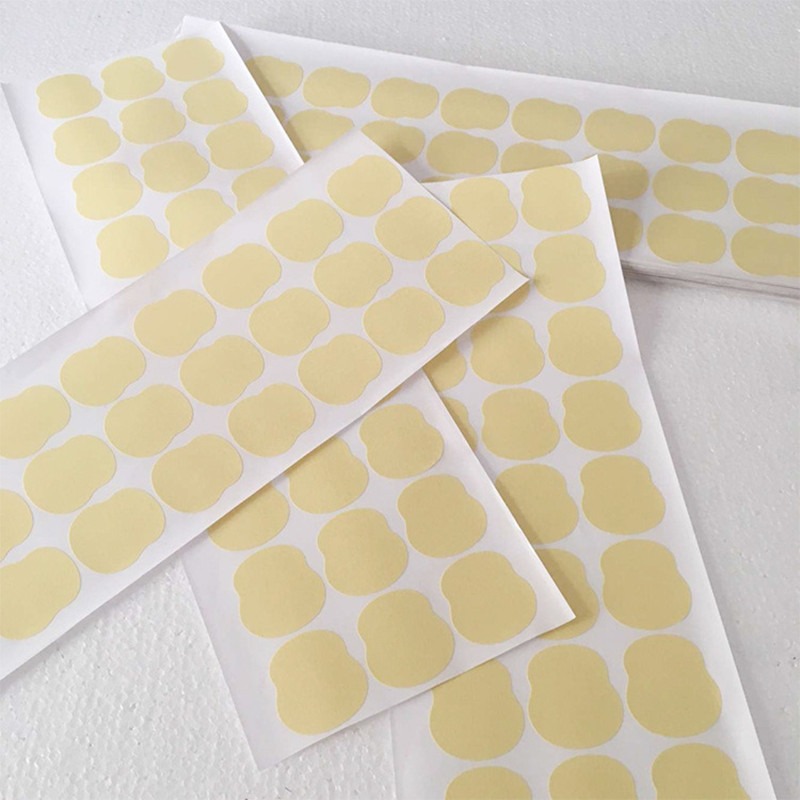
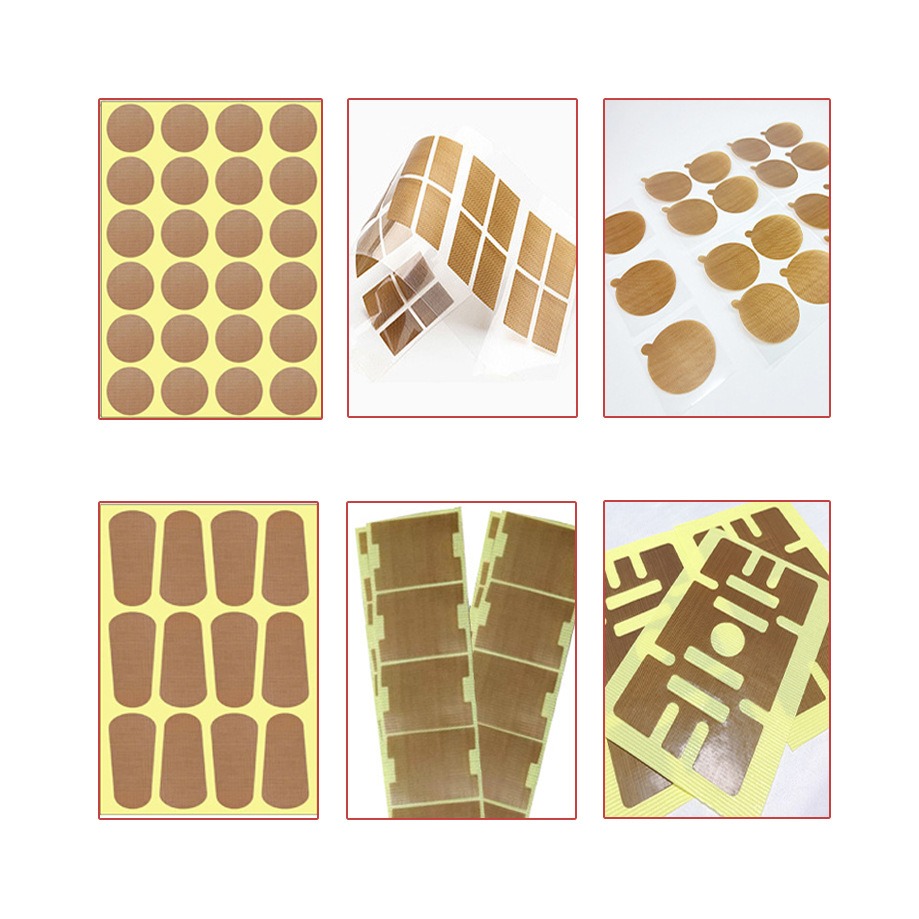
More grades, colors and custom die-cut shapes are produced — sample photos available on request.
Songyang manufactures high-temperature tape at its own plant in Houjie, Dongguan, Guangdong — so overseas buyers deal directly with the production line instead of through a trading layer.
Ordering from Songyang's own plant removes the trading margin between buyer and production, and puts specification questions straight to the people who run the line.
Compounding, coating, converting, slitting, printing and QC all run in-house across 16 production lines, backed by 28 years of tape and film know-how.
Raw films, adhesives, release liners and tooling are clustered around Dongguan, which shortens material lead time and supports sampling in 5–30 days.
Songyang ships to B2B buyers worldwide, supports EXW and FOB terms, and supplies commercial documentation and technical data sheets with the goods.
Songyang is a China-based manufacturer (Dongguan, Guangdong) serving global B2B buyers directly — 9,000+ m² of plant, 16 production lines, 5,000+ specifications and 5,600+ customers served. Made in China, engineered for export.
Values are typical ranges; final specification is confirmed against your application. Minor batch variation may apply — confirm with our sales team.
| Parameter | Value |
|---|---|
| Types | Polyimide (PI) / polyester (PET) / crepe masking paper / glass cloth / PTFE / double-coated |
| Temperature range | 130–300 °C (266–572 °F) by type — grade-specific limits confirmed in your quotation |
| Backings | Polyimide film, polyester film, crepe paper, woven glass cloth, PTFE (coated glass fabric or film) |
| Adhesive systems | Silicone for high temperature; acrylic where non-silicone contact or higher initial tack is required |
| Polyimide (PI) grade | 260–300 °C (500–572 °F) intermittent — insulating or ESD / antistatic (10⁶–10⁹ Ω) |
| Standard thickness | 1–2 mil (25–50 µm) for PI tape; other backings slit and laminated to order |
| Slit width | 3–1,300 mm (subject to product model) |
| Roll length | To order — confirmed in your quotation |
| Colors | Amber (PI), green (polyester), white (glass cloth), brown (PTFE), natural (paper) |
| Removal | Clean removal within the rated temperature and dwell time |
Send specs and quantity — we reply with a quote and technical suggestion within 24 hours.